
Belmont’s Historic District: Old Bones, Modern Life
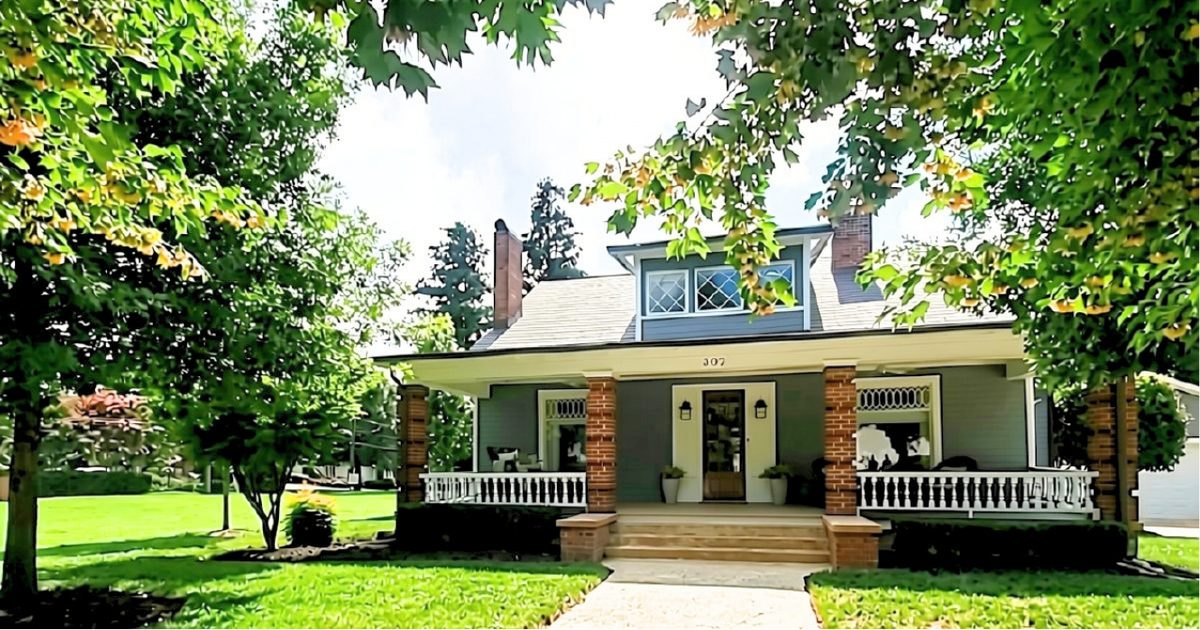
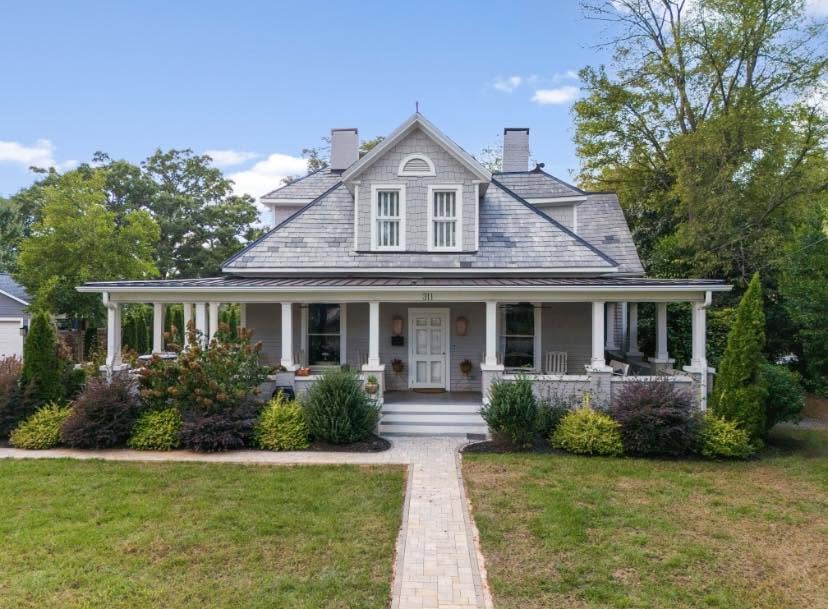
A little while ago I walked through 307 N Main with my camera. Built in 1918, it stopped me in my tracks. The kitchen and baths were fully modern, but the original trim, the doors, the bones of the place were all still there. Somebody had updated everything that needed updating and left alone everything that made it special.
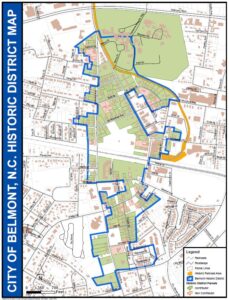
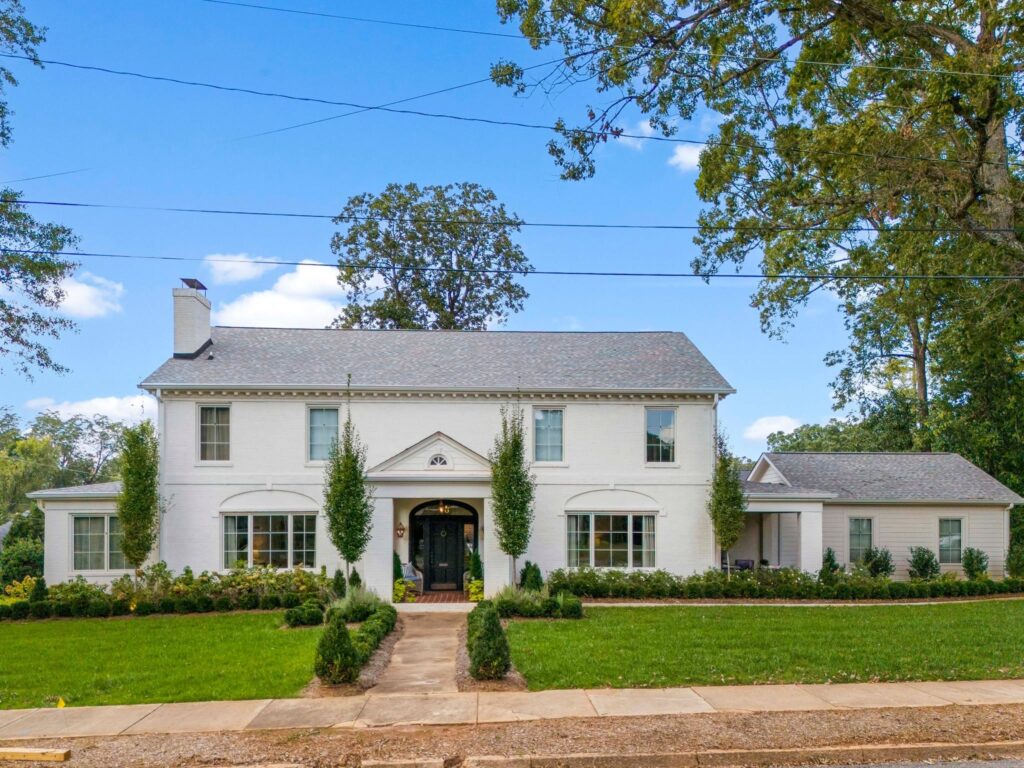
The Belmont Historic District landed on the National Register of Historic Places in 1996. It’s 170 acres, 264 contributing buildings, mostly built after 1873. The architecture runs Craftsman bungalow, Colonial Revival, Tudor Revival, the whole early-20th-century catalog.
in May 2025, the Belmont Historical Society ran a tour of five homes in the district, and they mostly told the same story as 307 N Main. Modernized and upgraded, original details intact. That’s not a coincidence. It’s what people do here. They buy these houses because of the character, not in spite of it, and they renovate like they mean to keep it.
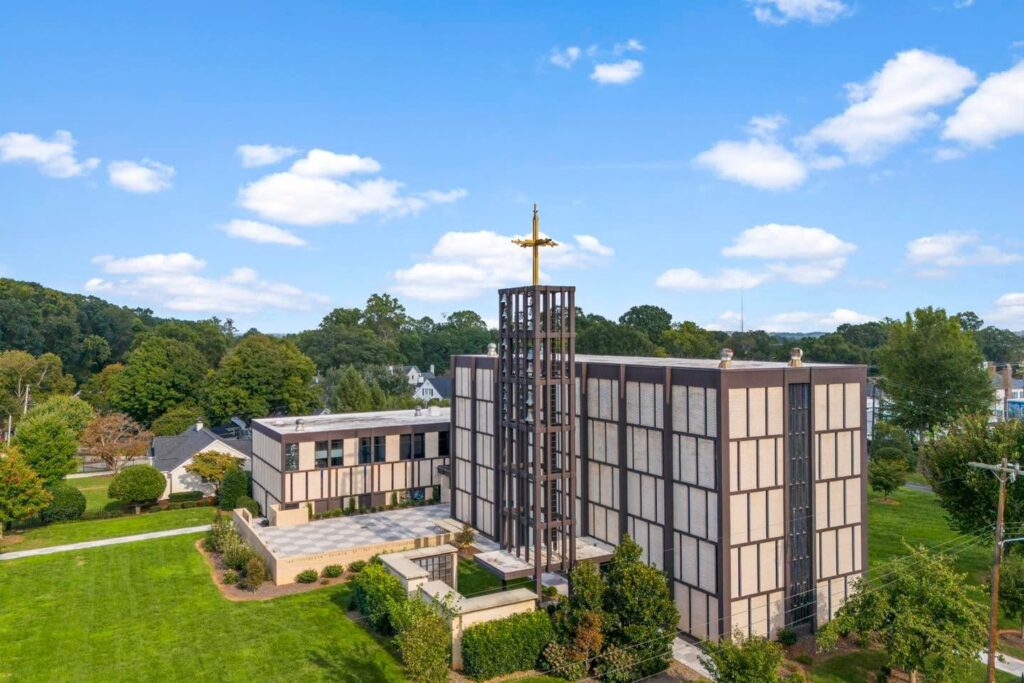
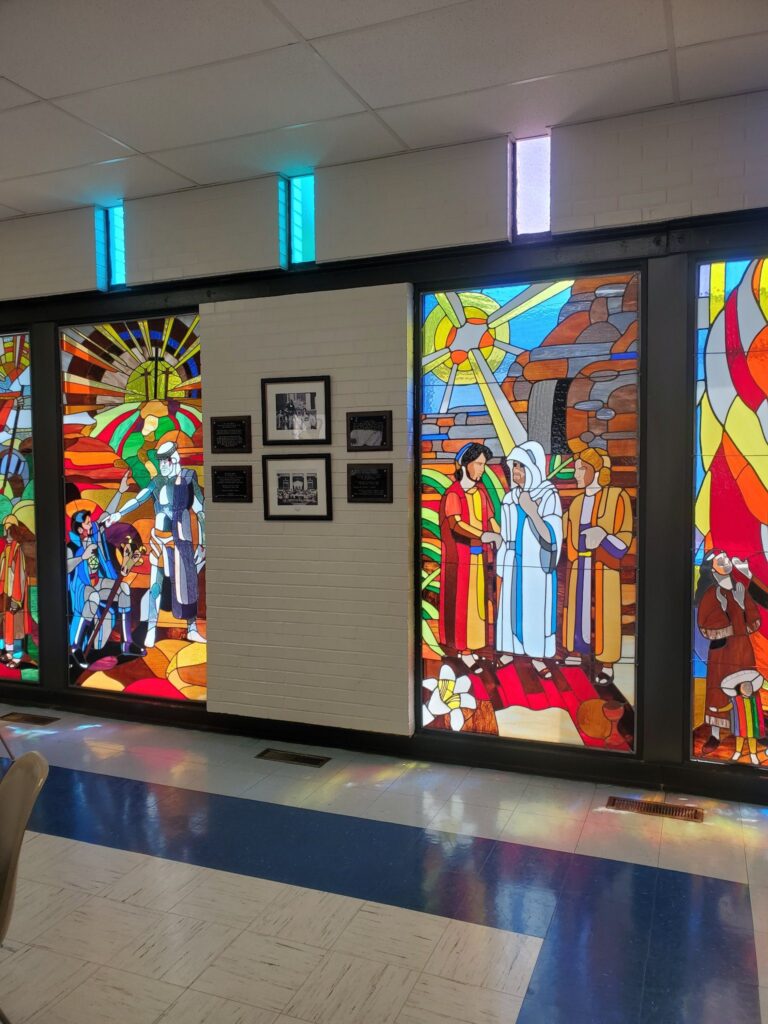
Here’s what I want buyers to understand about the district: these houses survived a hundred years with their character intact. My whole philosophy on historic homes is retaining that character. Don’t be the one who rips it out for gray floors, gray walls, and cookie-cutter finishes.
The honest footnote, from someone who has renovated an old house: these houses have opinions. Plaster walls, quirky floor plans, the occasional surprise behind a wall. You don’t buy a 1918 home because you want predictable. You buy it because no new build will ever have that front porch, those heart-pine floors, that feeling that the house has already lived a full life before you got there.
If you’re thinking about buying in the Historic District, walk it first. Go on a Saturday morning. See the porches, the trees, the way Main Street is right there. Then call me, and we’ll find you the one with good bones.