Facebook
 X
X
 Pinterest
 Copy Link
For years, real estate advice centered around a simple formula: upgrade, list, profit. But today, home features that add value in 2026 look very different than they did even a few years ago. Buyers aren’t just evaluating finishes, they’re evaluating lifestyle, ease, and how a home actually feels to live in.
Yes, return on investment still matters. But what’s changed is what buyers perceive as “value.” It’s no longer just about granite vs. quartz or hardwood vs. carpet.
Today, the highest-performing homes are delivering something deeper:
👉 Lifestyle ROI
👉 Emotional ROI
👉 Turnkey certainty
Let’s break down what that actually means and how it’s showing up in both the general and luxury markets.
1. Lifestyle-Driven Home Features That Add Value in 2026: What Buyers Are Really Paying For
The biggest shift? Buyers aren’t just purchasing square footage they’re buying future experiences at home.
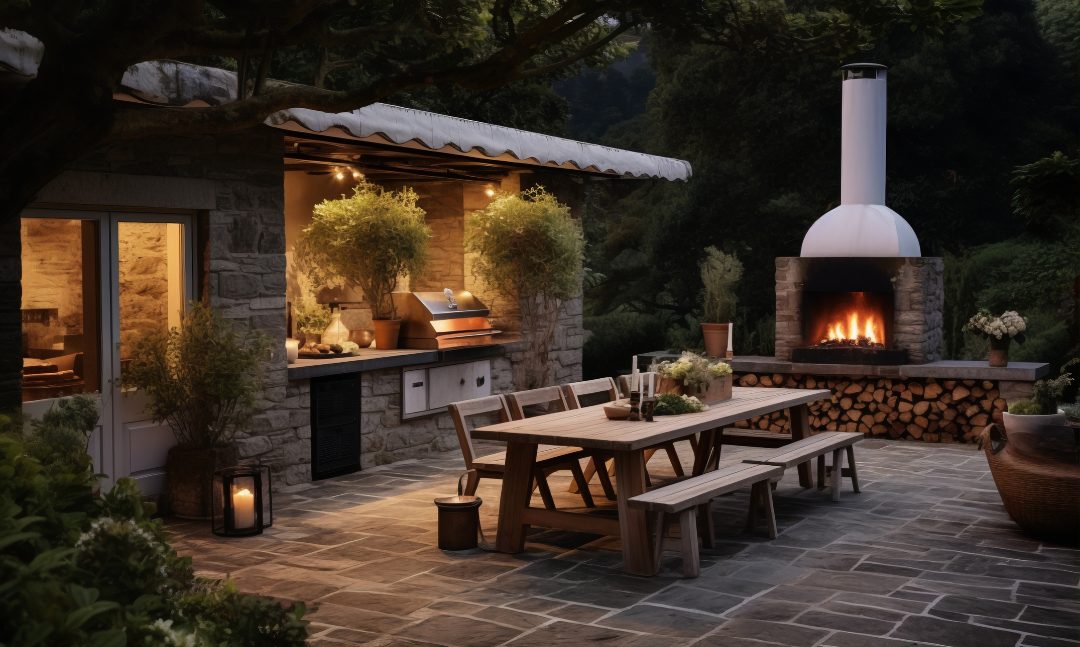
Homes with features like outdoor kitchens, fireplaces, and spa-style elements are consistently selling for more, often 2–5% above expected value.
And this isn’t random.
These features answer a core buyer question:
“Can I see my life here?”
What’s resonating right now:
- Outdoor living spaces that function like a second living room
- Spa-inspired bathrooms (steam showers, soaking tubs)
- Entertainment-ready features (built-ins, hobby spaces)
- Seamless indoor-outdoor flow
Even smaller upgrades, like pergolas or thoughtfully designed outdoor areas, can help homes sell faster and for more. These are exactly the kinds of home features that add value in 2026 because they directly impact how buyers picture their day-to-day life.
ROI takeaway:
If it enhances how someone lives in the home and not just how it looks, it’s likely to pay off.
2. Turnkey Homes Are Winning (and Fixer-Uppers Are Losing)
This is one of the clearest trends in today’s market:
👉 Buyers do not want projects.
Move-in-ready homes are selling for a premium, while fixer-uppers can sell for significantly less, sometimes by double-digit margins. In today’s market, home features that add value in 2026 are often less about dramatic renovations and more about delivering a home that feels complete and ready to live in.
Why?
- Renovation costs are unpredictable
- Time is limited
- Buyers prefer to roll improvements into their mortgage
Instead of major overhauls, many sellers are seeing better returns from:
- Strategic kitchen updates (not full gut jobs)
- Updated systems and finishes
- Clean, cohesive design throughout
ROI takeaway:
Certainty is valuable. A “done” home reduces friction—and buyers will pay for that.
3. Emotional ROI Is Now Driving Financial ROI
Here’s where things get really interesting.
We’re seeing a shift toward what’s being called “emotional ROI,” the feeling a home creates when a buyer walks in.
And yes… buyers are paying for it.
Homes with:
- Character details (beams, built-ins, architectural moments)
- Warm, layered materials
- Inviting, human-scale spaces
…are outperforming homes that feel generic or overly sterile.
In fact, the industry is actively moving away from:
- Cold minimalism (#stopmakingevrythinggray)
- Oversized, impractical layouts
- “Builder-grade everything” aesthetics
Toward:
- Warm, earthy tones
- Texture and craftsmanship
- Spaces that feel intentional and personal
ROI takeaway:
If a home makes buyers feel something, it’s more likely to sell faster and for more.
4. Exterior Upgrades Still Deliver the Highest Traditional ROI
Not everything has changed. Some of the best returns are still surprisingly practical.
Exterior improvements consistently rank among the highest ROI projects, including:
- Garage door replacement
- Entry door upgrades
- Siding improvements
- Porch enhancements (The 4 Best Exterior Upgrades for Adding Home Value, According to Home Pros)
Why?
Because they impact:
- First impressions
- Perceived maintenance
- Overall confidence in the home
ROI takeaway:
Before you chase trends inside, make sure the outside tells the right story.
5. What This Looks Like in the Luxury Market
In the luxury space, these trends don’t just apply, they’re amplified.
High-end buyers expect more than finishes. They expect fully realized living environments.
What’s driving value at the top of the market:
Elevated Materials (with Purpose)
- Durable, high-end surfaces (think natural stone over synthetic lookalikes)
- Finishes that age well, not just photograph well
Wellness as a Status Symbol
- Spa bathrooms
- Sauna/cold plunge integration
- Air, light, and wellness-focused design
The “Outdoor Great Room”
- Fully built-out exterior living spaces
- Heating, cooking, entertaining, all outside
- Designed as true extensions of the home
Seamless Design + Function
- Hidden storage
- Integrated appliances
- Clean, intentional layouts
Luxury buyers aren’t paying for more, they’re paying for better, smarter, and already done.
Luxury ROI takeaway:
The highest-end buyers value effortless living. If it feels turnkey and thoughtfully designed, it commands a premium.
Final Thoughts: The New Playbook for ROI
If you’re thinking about resale, whether soon or years from now, the strategy has shifted.
Instead of asking:
“What upgrades add value?”
Start asking:
“What makes this home feel complete, easy, and desirable to live in?”
Because in today’s market:
- Function beats flash
- Warmth beats perfection
- Experience beats square footage
And the homes that check those boxes?
They’re the ones buyers compete for.
If you’re thinking about selling and want to prioritize the right upgrades, let’s talk about how to position your home in today’s market. Sell Your Home – Sarah Wiley
If you’re thinking about selling soon —> sarah.wiley@cbcarverpressley.com